
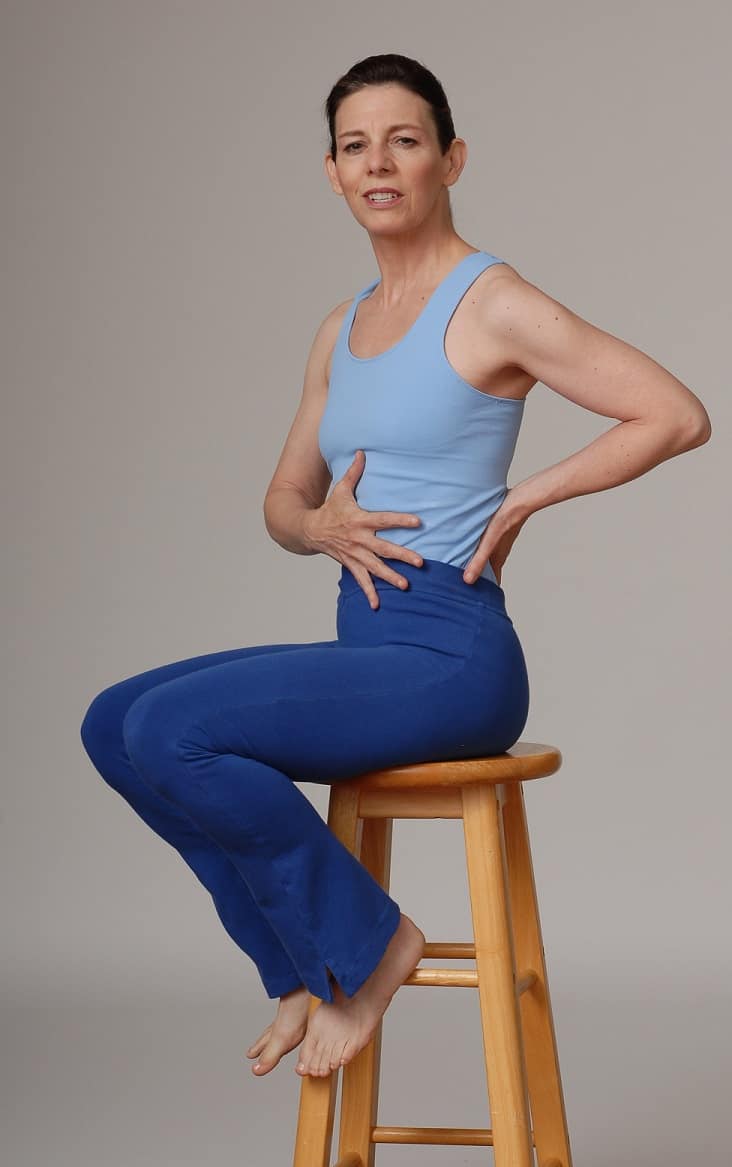
Organizing Proprioception, Balance and Foot Loading in Dancers with Hypermobility and Scoliosis
Regular Access
Access length: 30 days
Extended Access Membership
Access length: unlimited
Get 20% discount on this course registration and unlimited access to course materials with Extended Access Membership. Find out more here.
Sign Up for Extended AccessAlready a member?
Log into your account during checkout to receive a 20% discount on this course.
This pilot presentation workshop explores the use of how the study of movement education work with dancers offer insights into the movement education and learning of the public (Lu, 2024)
Dancers with hypermobility and/or spinal asymmetry, conditions not confined to the dance population, tend to exhibit greater incidence for injury, especially in the lower extremities. Evidence supports the use of psychological skills in dance and athletic training (Peluso, 2005) (Klockare, 2011) to
The somatic use of Pilates presents opportunity for self-talk and enhanced body awareness through guided visualization and imagery (Mitchell, 2021). –Pre-activation of spinal and anticipatory core control elements can promote dynamic joint stability tolerance, potentially preventing mechanical errors leading to injury. (Stokes, 2011) (Gerritson, 2018)
-Simple screening tests such as Overhead Squat Test (Sever, 2023) and Fukuda marching test (Grostern, 2021) can help identify and alert not only dancers, but also the public, with these characteristics to seek further care to increase proprioceptive awareness and balance foot loading for injury prevention in activities.
The GOAL is to interest others to replicate the tests and interventions to demonstrate quick changes with clients .
The aim is to prevent lower extremity injuries for those dancers with hypermobility and spinal asymmetry.
The hypothesis is that implementation of guided visualization and imagery generation will improve if not optimize performance through concepts, easy tests, and simple-to-implement exercises.
Objectives
At the end of this session, learners will:
- Learn functional tests for client sessions: the Fukuda test, modified Berg Balance, and Overhead Squat test along with a hypermobility screen.
- Learn organizational exercises for spinal posture and foot loading
- Learn how clients with scoliosis and hypermobility have a lifelong, often invisible condition.
- Explore how the asymmetric and unstable body can achieve more stability and improve foot loading.
- Explore how proprioception is enhanced with typical word cues and images in the Pilates environment.
Lesson Plans
Lecture of outline of workshop: 50 minutes
- Background on propensity of asymmetric and hyperflexible individuals to injury in independent activities of daily life such as dance.
- Scoliosis and hypermobility often do not show distinct symptoms yet have tendencies that may manifest under athletic or strenuous physical situations.
- Descriptions of several tests of foot loading (Fukuda), balance (modified Berg balance), and postural/functional sway (Overhead Squat).
- Presentation and description of the movement exercise intervention.
- Observation of a case showing asymmetries in the tests and motions.
- Conclusions with the post test
Practical Lab: 45 minutes
- Presentation of the description and aim of the tests
- Live presentation of the intervention with 7 subjects
- Discussion of the post test results, which vary.